
Grazers and browsers
Herding, migration, specialized teeth, and efficient digestion help plant eaters use seasonal food across open landscapes.
grassland animals list
Meet animals adapted to open views, seasonal rain, fire, grazing pressure, wind, and limited tree cover.
Grasslands occur in different climates, from tropical savannas to temperate prairies and flowering meadows. Rainfall, fire, soil, and large herbivores can all limit tree growth and maintain open habitat.
Herding, migration, specialized teeth, and efficient digestion help plant eaters use seasonal food across open landscapes.
Speed, camouflage, group defense, wide vision, burrows, and early warning calls matter where cover is limited.
Pollinators, decomposers, burrowing animals, and seed eaters shape plant communities and soil below the largest visible species.
Habitat groups simplify a complex natural range for browsing. Individual species may use several habitats during feeding, breeding, migration, or seasonal movement.
These profiles add photographs, behavior, adaptations, conservation context, and source records to the catalog label.

Mammal

Bird

Mammal

Mammal

Mammal

Mammal

Mammal

Mammal
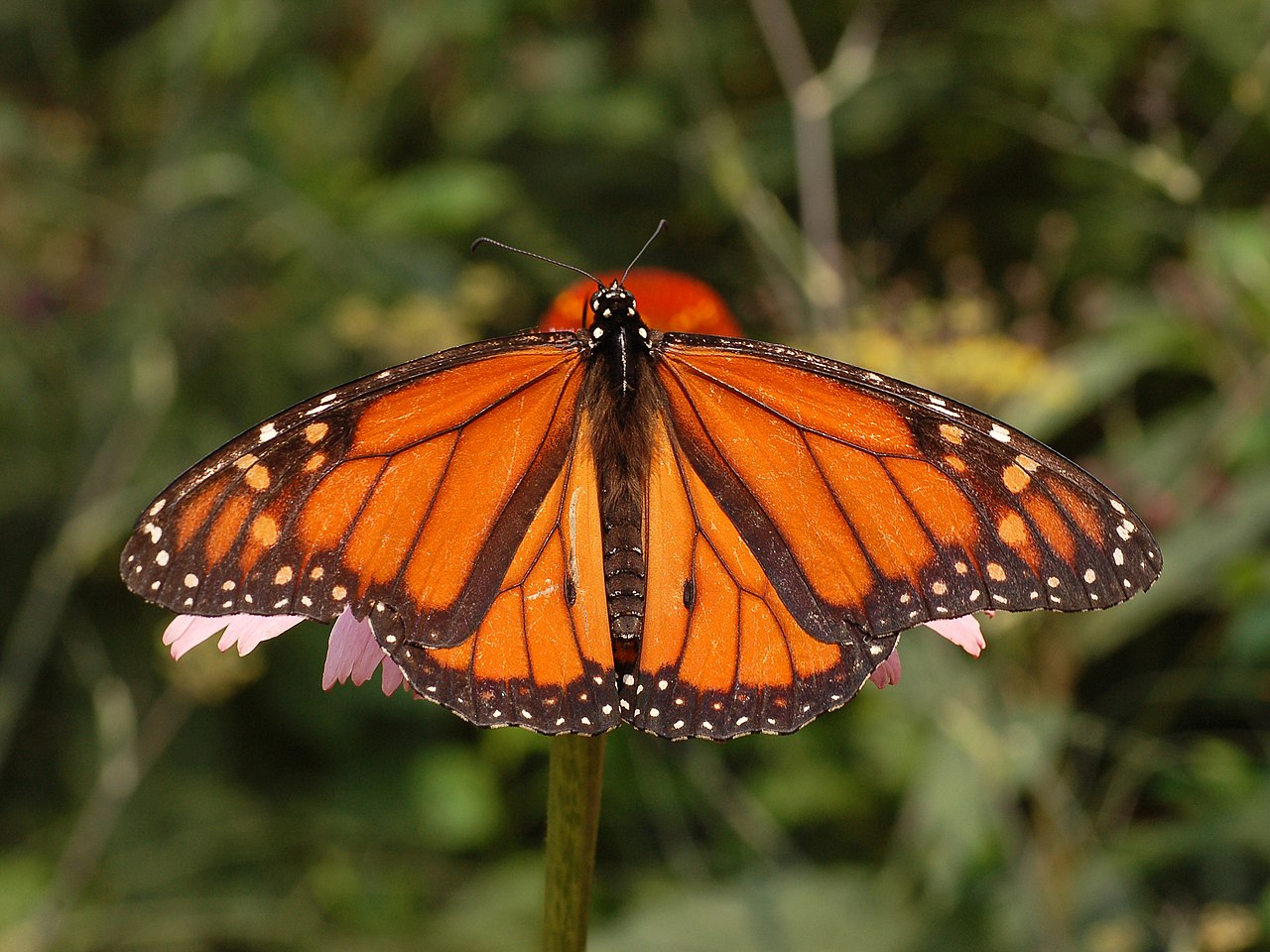
Invertebrate

Bird

Invertebrate
Grasslands support grazing mammals, predators, ground birds, reptiles, amphibians, insects, and many burrowing species.
Yes. Savannas are tropical or subtropical grasslands with scattered trees and strong wet and dry seasons.
Groups can improve predator detection, defense, navigation, access to mates, and movement toward seasonal food and water.