
Rivers and streams
Current, rocks, banks, pools, and water temperature influence how animals swim, shelter, feed, and reproduce.
freshwater animals list
Discover animals linked to flowing rivers, quiet ponds, lakeshores, wetlands, cave streams, and seasonal pools.
Freshwater habitats contain very little salt and include moving water, standing water, wetlands, floodplains, and underground systems. Oxygen, depth, current, plants, and seasonal flooding shape each community.
Current, rocks, banks, pools, and water temperature influence how animals swim, shelter, feed, and reproduce.
Still-water habitats can support open water, plant beds, muddy bottoms, and shoreline zones.
Marshes and floodplains connect water and land, creating feeding and breeding habitat for amphibians, fish, birds, reptiles, insects, and mammals.
Habitat groups simplify a complex natural range for browsing. Individual species may use several habitats during feeding, breeding, migration, or seasonal movement.
These profiles add photographs, behavior, adaptations, conservation context, and source records to the catalog label.
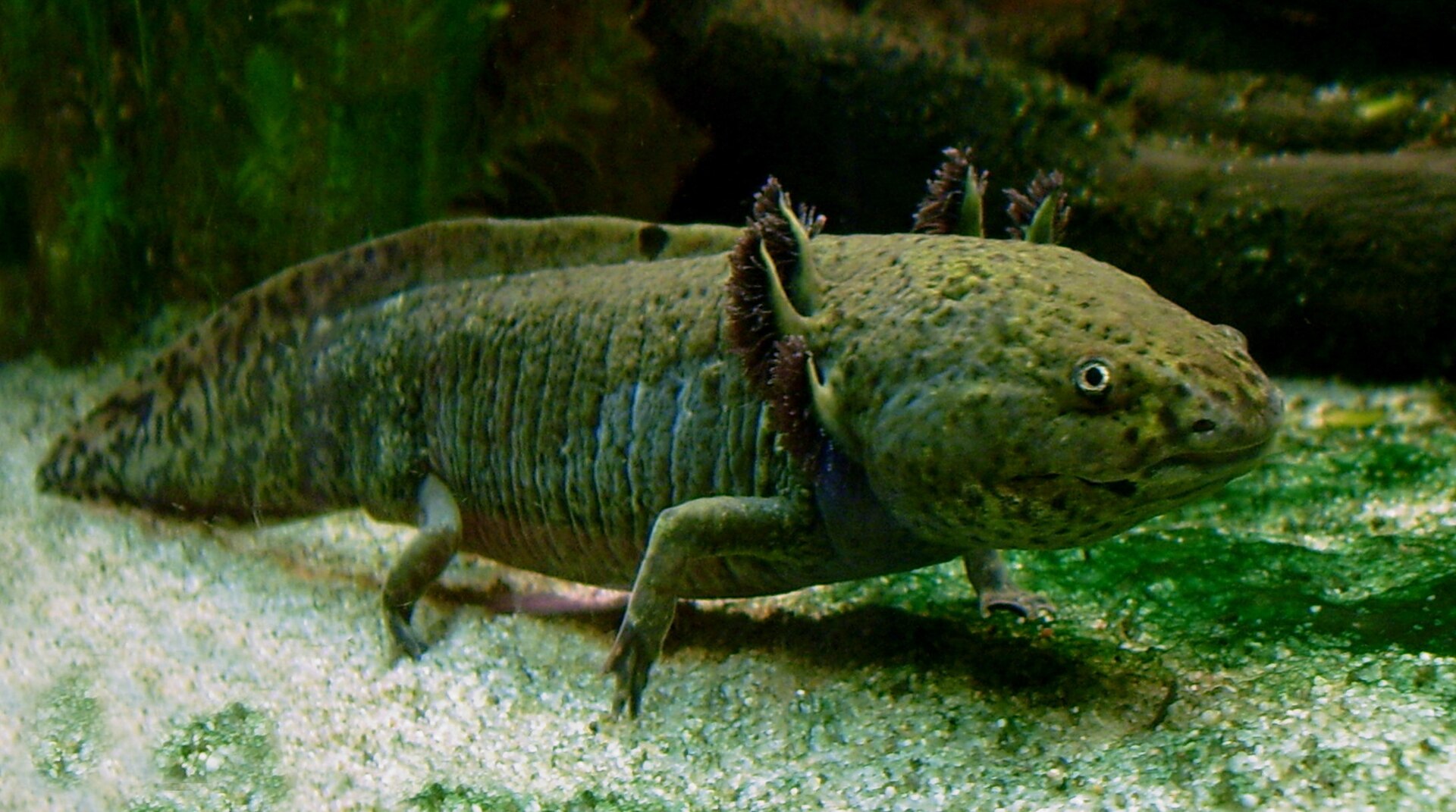
Amphibian

Mammal

Bird

Bird

Amphibian

Amphibian
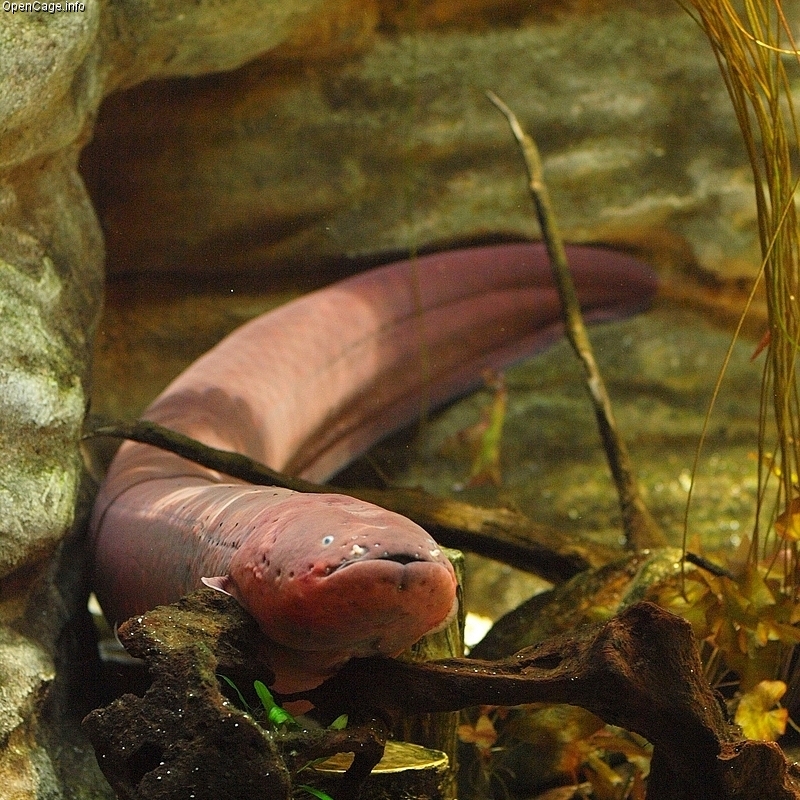
Fish
Rivers, streams, lakes, ponds, marshes, swamps, springs, and many wetlands are freshwater habitats.
Most cannot, although some species tolerate changing salinity or migrate between marine and freshwater systems.
Wetlands store water, filter sediments, support food webs, and provide breeding and nursery habitat for many species.