
Temperate forests
Seasonal forests support animals adapted to changing food, leaf cover, temperature, and daylight.
forest animals list
Follow animals through forest floors, trunks, branches, clearings, old woodland, and high canopy layers.
A forest is more than a collection of trees. Light, moisture, temperature, plant structure, dead wood, soil, and seasonal change create many small habitats from underground roots to the canopy.
Seasonal forests support animals adapted to changing food, leaf cover, temperature, and daylight.
Warm, wet forests can support high diversity across canopy, understory, trunks, streams, and leaf litter.
Open patches and edges combine tree cover with grasses, flowers, and hunting space.
Habitat groups simplify a complex natural range for browsing. Individual species may use several habitats during feeding, breeding, migration, or seasonal movement.
These profiles add photographs, behavior, adaptations, conservation context, and source records to the catalog label.

Mammal

Mammal

Mammal

Mammal
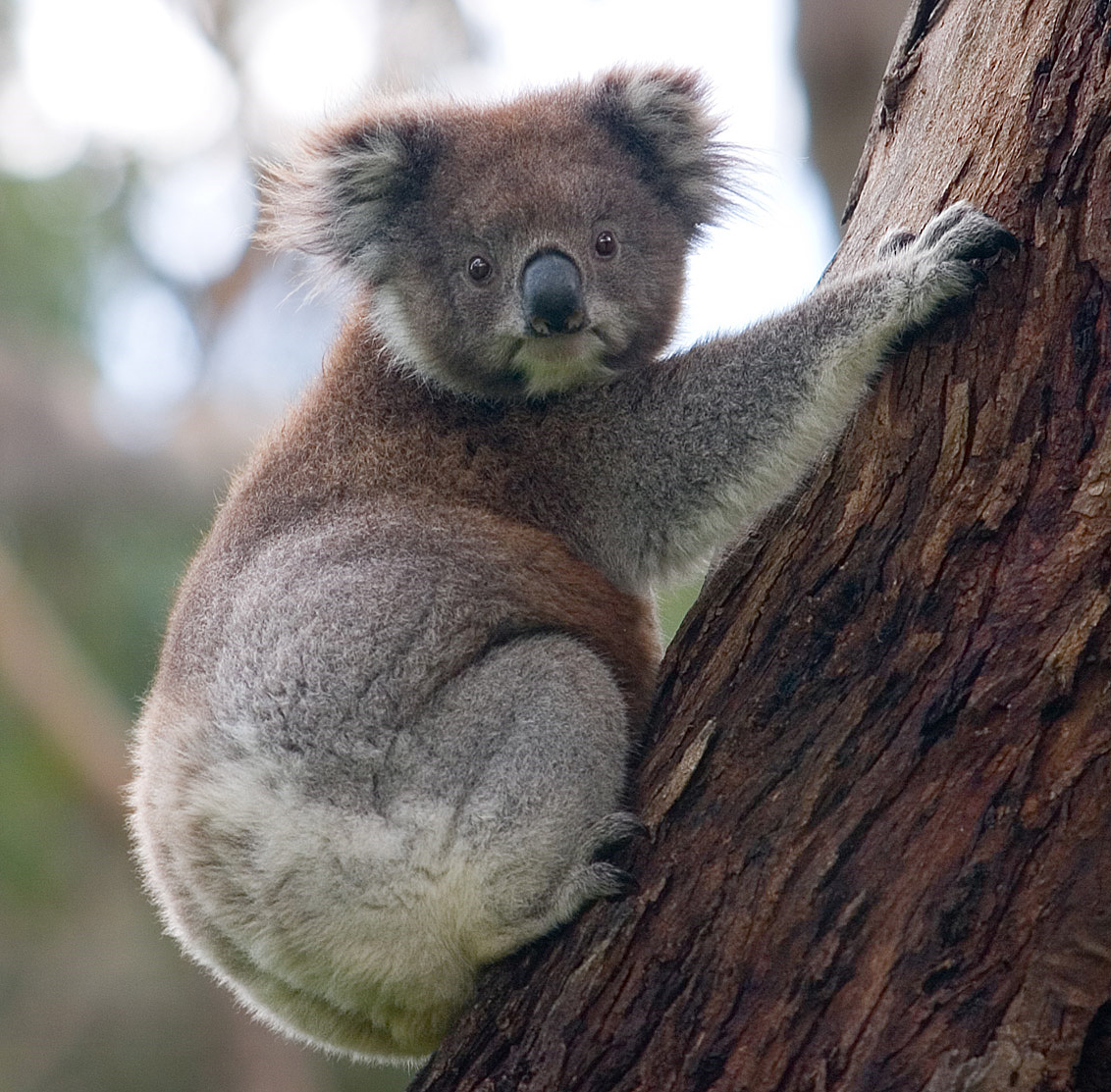
Mammal

Mammal
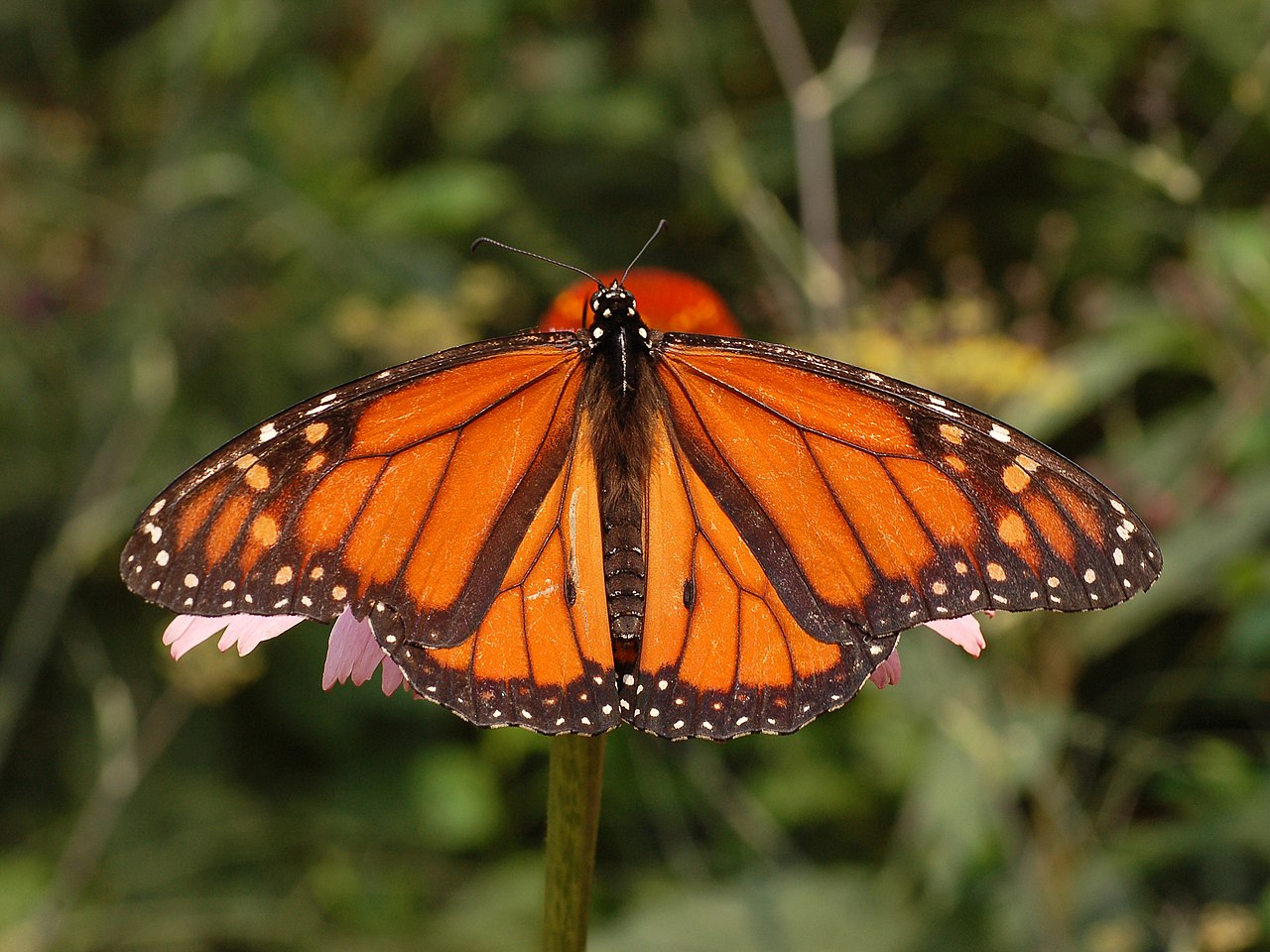
Invertebrate

Bird

Bird

Amphibian

Amphibian

Reptile

Reptile

Invertebrate
Forest animals include mammals, birds, amphibians, reptiles, insects, spiders, and other invertebrates adapted to different forest layers.
Yes. Rainforests are forests with high rainfall, but tropical rainforest searches have a narrower intent and a dedicated list here.
Yes. Many species move between forest, grassland, wetland, farms, or towns during feeding, breeding, or seasonal travel.