
Coasts and reefs
Shallow habitats provide structure, light, nursery areas, feeding grounds, and shelter, but they also experience waves and changing conditions.
ocean animals list
Travel from rocky shores and coral reefs to kelp forests, coastal water, the open ocean, and deep marine habitats.
Ocean animals are connected by habitat rather than one branch of taxonomy. The list includes mammals, birds, reptiles, fish, mollusks, crustaceans, cnidarians, and echinoderms.
Shallow habitats provide structure, light, nursery areas, feeding grounds, and shelter, but they also experience waves and changing conditions.
Streamlined bodies, efficient swimming, buoyancy control, migration, and sensory systems help animals cross large distances with little shelter.
Filter feeders, grazers, scavengers, plankton eaters, and predators move energy through connected habitats.
Habitat groups simplify a complex natural range for browsing. Individual species may use several habitats during feeding, breeding, migration, or seasonal movement.
These profiles add photographs, behavior, adaptations, conservation context, and source records to the catalog label.
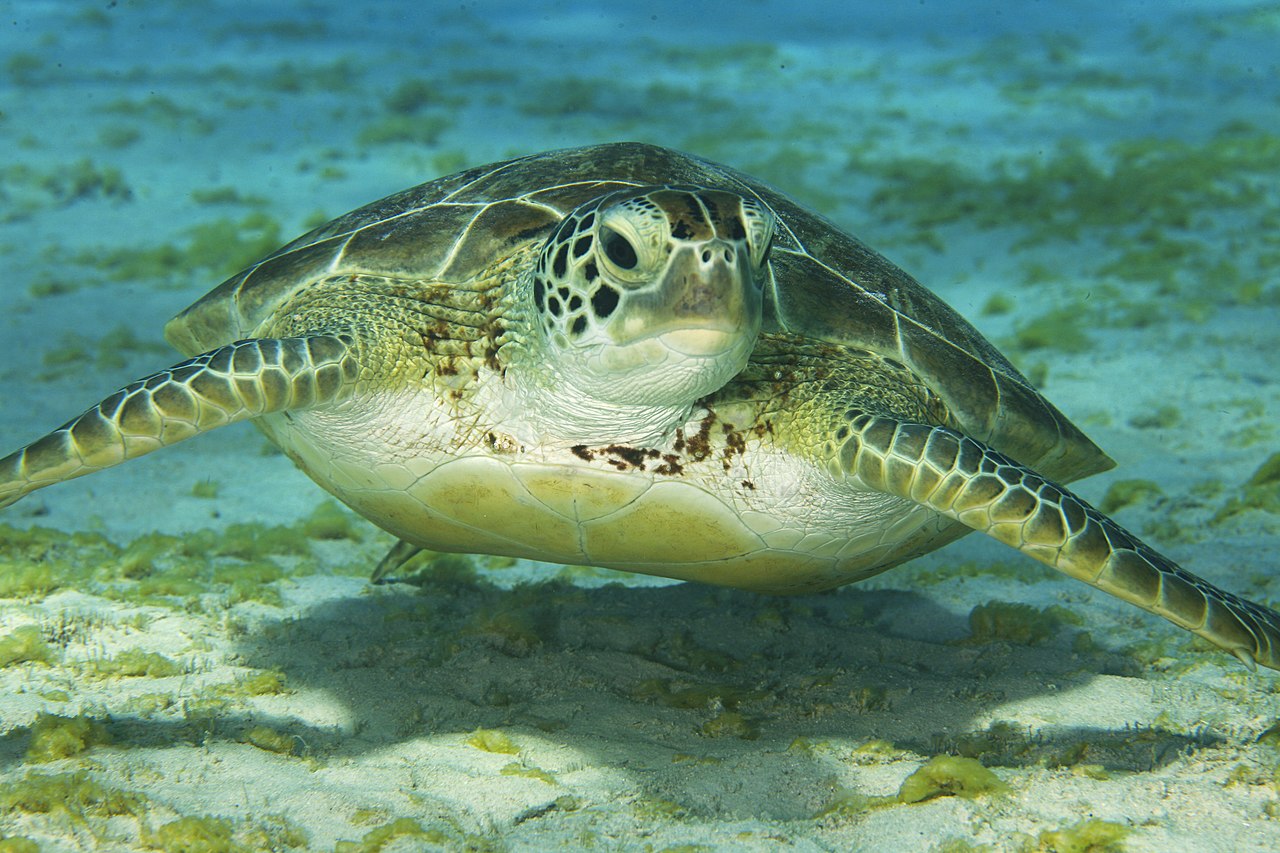
Reptile
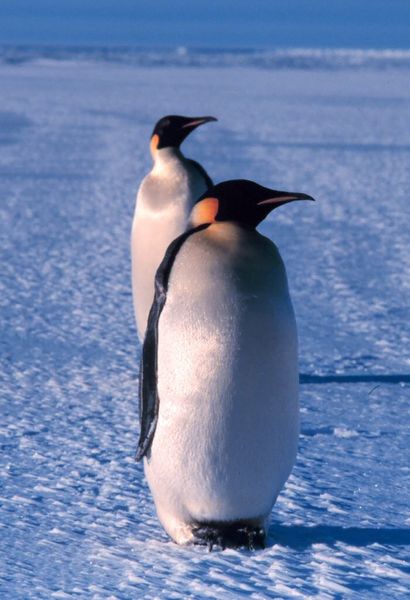
Bird
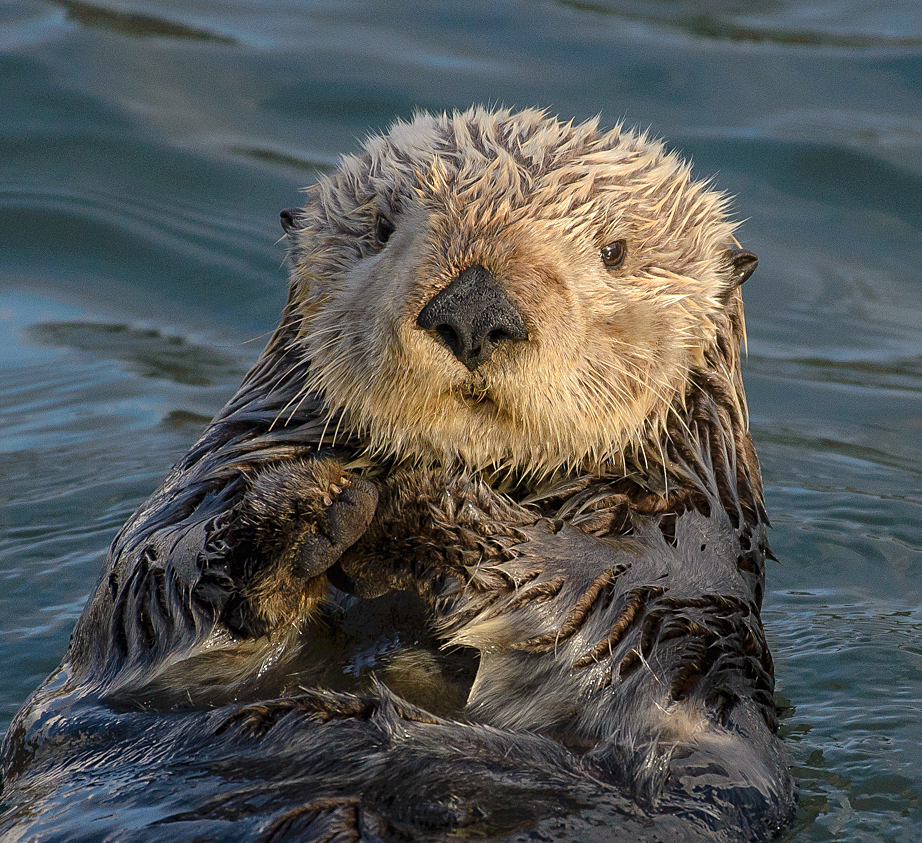
Mammal

Mammal

Mammal

Bird

Reptile

Fish

Fish

Fish

Fish

Invertebrate

Invertebrate
No. Whales are mammals, sea turtles are reptiles, penguins are birds, and octopuses and jellyfish are invertebrates.
This page organizes marine species for browsing. The sea animal generator randomly selects results for activities and prompts.
Many move between feeding, breeding, nursery, and migration areas across different depths and coastlines.